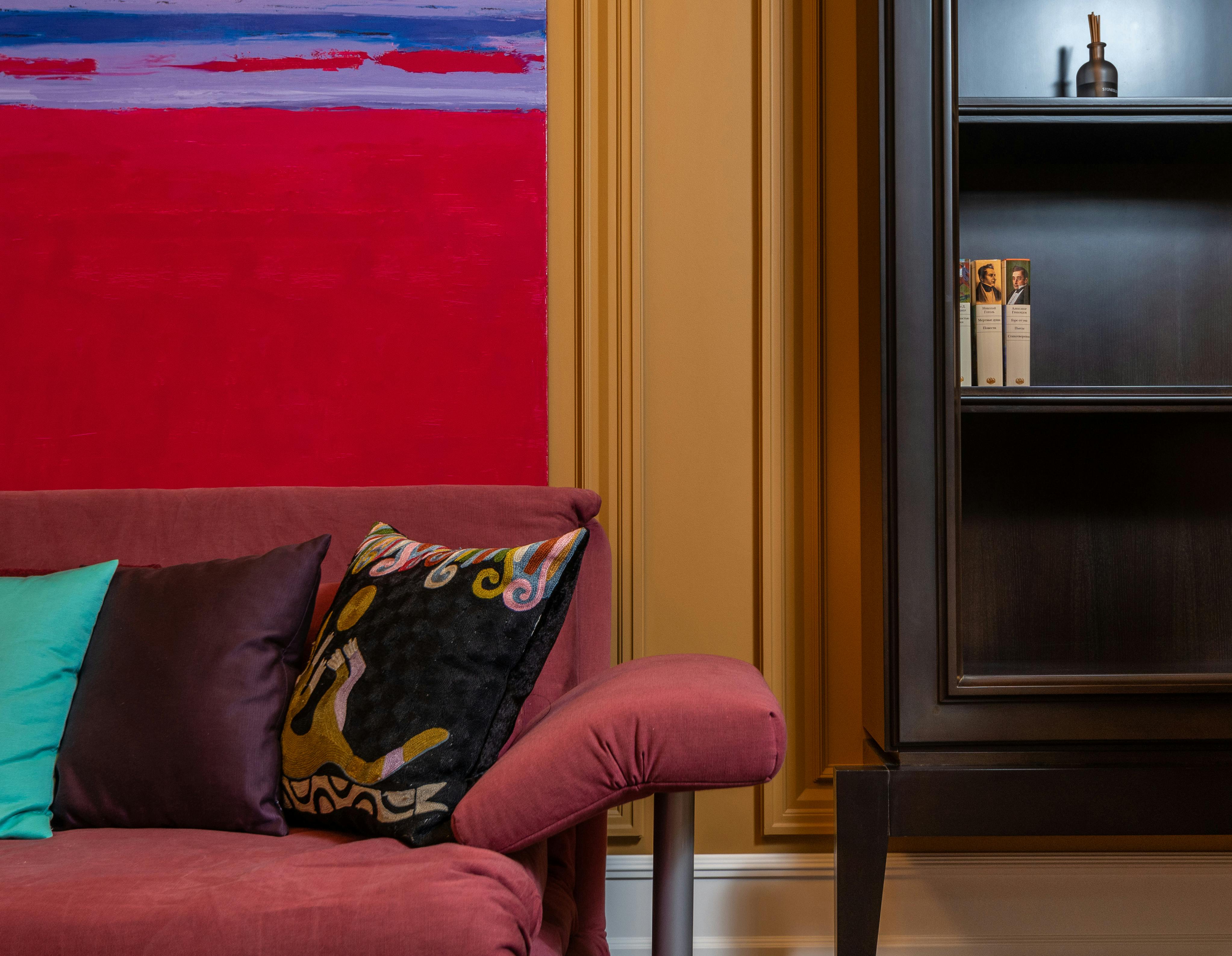
Furnishing a home or a workspace is not just about furniture, decorative items or the layout of the space. One of the most important – and often underestimated – aspects is the choice of colours. Colours influence our mood, our perception of space, our sense of comfort and even the way we live and work in these environments. For this reason, knowing how to choose the right colours is essential for creating harmonious, functional spaces that reflect our personality. In this article, I’ll guide you step by step through the fundamental principles, techniques and practical tips for choosing colours for your spaces, taking into account aesthetic, psychological and practical aspects.
1. The importance of colours in interiors
Before going into detail about the techniques for choosing colours, it is important to understand why colours are so powerful and how they influence our daily lives.
1.1. Colours and emotions
Every colour has its own symbolic meaning and can evoke different emotions. For example:
Understanding these associations helps you choose the colours best suited to the purpose of each room and the emotions you wish to evoke.
1.2. Colours and the perception of space
Colours also influence how we perceive the size of a room:
1.3. Light and colours
Natural and artificial light alter the perception of colours. For example, a room with plenty of natural light will bring out brighter colours, whilst in dimly lit spaces, dark or cool colours may appear dull or muted. It is important to consider lighting when choosing a colour palette.
2. How to choose colours based on the room’s
function Each room has a different function and requires colours suited to promoting well-being and functionality.
2.1. Living
room and lounge areas The living room is the heart of the home, a place for socialising and relaxation. Here, you can opt for warm, welcoming colours, such as:
If you’d like to discover how to choose the right colours for your rooms and create spaces that reflect your mood and promote your wellbeing, I’m here to help! Do get in touch: together we can find the shades that suit you best, creating harmonious spaces that make you feel your very best. I can’t wait to hear from you and to accompany you on this journey of discovery and transformation!